

My mornings begin quietly.
The alarm rings at 4:30 a.m., and the world outside still feels half asleep. Whenever I lace up my running shoes and step outside, the sky is still dark, and the city hasn’t fully woken up yet.
At first, the body feels stiff. The legs are slow. Every endurance athlete knows this feeling. The first few kilometers often feel like the hardest.
But something interesting happens when you keep going.
Your breath settles. Your stride finds a rhythm. The world slowly becomes lighter as the sun rises. And somewhere along that quiet stretch of road, you remember something simple but powerful.
Progress takes time.
Endurance training teaches many things, discipline, resilience, humility. But above all, it teaches patience.
And patience is a lesson that quietly changes how you live your entire life.
The First Lesson: Progress Is Slower Than You Think
When most people start endurance training, they expect fast improvements.
Run faster. Ride stronger. Swim longer.
But the truth is different.
Real endurance gains happen slowly. Often so slowly that you barely notice them day to day.
The first time I started structured training, I kept checking my watch after every run. I wanted my pace to improve immediately. I wanted the numbers to prove that I was getting stronger.
But the body doesn’t work that way.
Physiologically, endurance performance improves through gradual adaptations in several systems:
• Increased mitochondrial density in muscle cells
• Improved oxygen delivery through the cardiovascular system
• Better fat metabolism for long efforts
• Stronger connective tissues like tendons and ligaments
These adaptations take weeks, months, sometimes years.
This is why many endurance coaches repeat the same advice again and again:
Consistency beats intensity.
If you run hard for two weeks and then stop, you gain very little. But if you train steadily for a year, the transformation becomes remarkable.
The body rewards patience.
Zone 2 Training: The Ultimate Patience Practice
If there is one training method that teaches patience more than anything else, it is Zone 2 training.
Zone 2 training means exercising at a relatively low intensity where your body primarily burns fat for fuel and builds aerobic capacity. It often feels slow. Sometimes frustratingly slow.
When I first started doing long Zone 2 runs, I kept wondering if the workout was too easy.
My watch would show paces that felt embarrassingly slow compared to what I thought I should be able to do.
But endurance science is clear.
Training in this aerobic zone helps build the foundation that supports every faster effort later.
It improves:
• Aerobic efficiency
• Capillary density in muscles
• Fat oxidation
• Recovery ability between harder sessions
Elite marathoners, Tour de France cyclists, and Ironman triathletes all rely heavily on this kind of training.
Yet it requires a mindset shift.
You have to accept that slow work today creates speed tomorrow.
And that is patience in action.

The Emotional Side of Patience
Endurance training is emotional.
There are days when the body feels amazing and everything flows easily. But there are also days when nothing seems to work.
A run that should feel comfortable suddenly feels exhausting. A workout that looked easy on paper becomes mentally draining.
Those are the days that teach patience the most.
Instead of fighting the experience, endurance athletes learn to observe it.
The tired legs. The heavy breathing. The frustration.
Then something shifts. You realize that not every session has to be perfect.
Some runs are about building fitness. Others are about building character.
And patience grows in those quiet, imperfect moments.
The Science of Adaptation: Why Patience Matters
There is a biological reason endurance training requires patience.
The body adapts to stress through a process called supercompensation.
After a workout, your body temporarily becomes weaker as muscles experience microscopic damage and energy stores are depleted.
During recovery, the body repairs itself and becomes slightly stronger than before.
But this process takes time.
For endurance athletes, key adaptations occur gradually:
1. Mitochondrial Growth
Mitochondria are the energy factories of your cells. Endurance training increases both their size and number, allowing muscles to produce energy more efficiently.
This change develops over months of consistent training.
2. Capillary Development
Tiny blood vessels grow around muscle fibers, improving oxygen delivery and waste removal.
This helps athletes sustain longer efforts without fatigue.
3. Metabolic Efficiency
Over time, the body becomes better at using fat as fuel instead of relying heavily on carbohydrates.
This is critical for long endurance events like marathons or Ironman races.
None of these changes happen overnight.
They unfold quietly, beneath the surface, long before the athlete notices faster paces or stronger performances.
Patience is built into the biology of endurance.
The Long Run as a Life Classroom
One of the most reflective moments in endurance training often happens during long runs.
When you spend one, two, or even three hours moving through the world at a steady pace, your mind begins to wander.
You start thinking about work, relationships, decisions, dreams.
And strangely, many problems begin to feel clearer.
Endurance training creates space for reflection.
Without constant distractions, your thoughts settle.
Sometimes you realize that many of the frustrations in life come from the same place: impatience.
We want results quickly.
We want clarity immediately.
We want growth without the slow process.
But life rarely works that way.
Just like endurance training, meaningful progress often unfolds quietly over time.
Small Improvements That Change Everything
One of the most surprising things about endurance sports is how small improvements accumulate.
Running just 1 percent faster may not feel significant.
But over long distances, it changes everything.
Improving recovery slightly allows more consistent training.
Sleeping better improves performance the next day.
Better hydration reduces fatigue during long sessions.
None of these changes feel dramatic on their own.
But together, they transform an athlete.
Patience means trusting that small steps matter.
Books That Deepen the Lesson of Patience
Over the years, a few books have shaped how I think about endurance, discipline, and long-term growth.
If you enjoy endurance sports or personal development, these are worth reading.
Endure by Alex Hutchinson
This book explores the science and psychology of endurance performance.
Hutchinson explains how the brain plays a major role in fatigue and how athletes expand their limits through mental resilience.
It reveals that endurance is not only physical, it is deeply psychological.
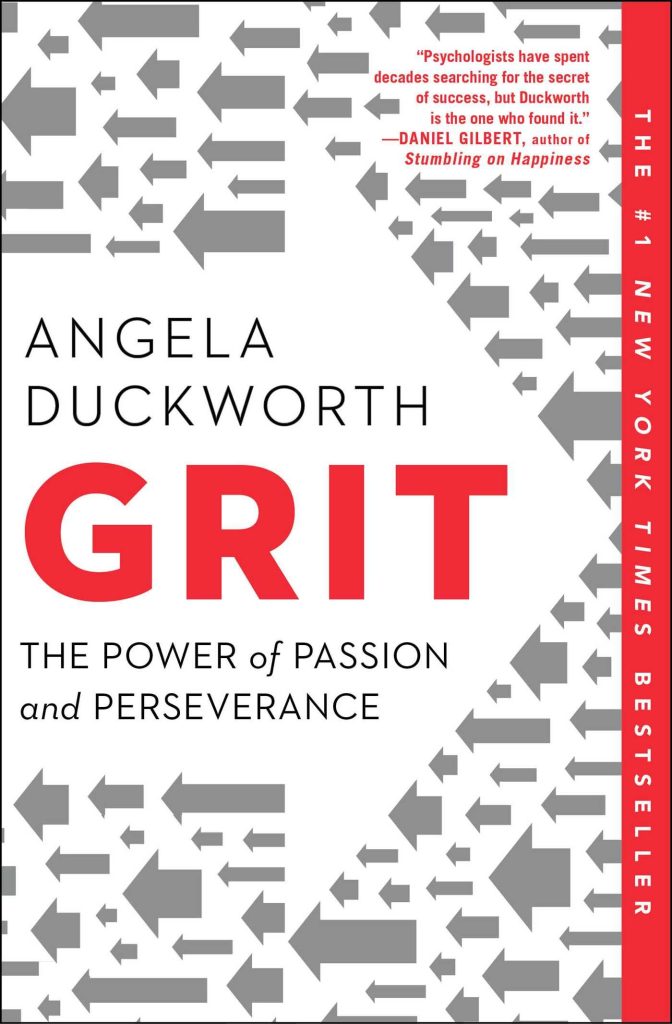
Grit by Angela Duckworth
Angela Duckworth’s research shows that long-term success often depends more on perseverance and passion than raw talent.
Her concept of grit aligns perfectly with endurance training.
Showing up every day, even when progress feels slow.
Man’s Search for Meaning by Viktor Frankl
This is not a sports book, but it carries a powerful lesson about human resilience.
Frankl writes about finding purpose even in the most difficult circumstances.
Endurance athletes often discover a similar truth.
When you have a strong reason to keep moving forward, patience becomes easier.
Born to Run by Christopher McDougall
This book celebrates the joy of running and the incredible endurance capabilities of the human body.
It reminds us that running is not just about performance.
It is about freedom, curiosity, and connection.
Patience Builds Quiet Confidence
One of the most beautiful outcomes of endurance training is confidence.
But it is not loud confidence.
It is quiet.
You begin to trust your ability to handle long challenges.
A marathon no longer feels impossible.
A difficult work project feels manageable.
A stressful week feels less overwhelming.
This confidence comes from repeated experiences of doing hard things patiently.
You learn that progress happens one step at a time.
When Progress Feels Invisible
Perhaps the hardest part of endurance training is when improvement feels invisible.
Weeks of consistent training pass, but your pace remains the same. Your body still feels tired.
It can be discouraging.
But many endurance athletes eventually experience a breakthrough moment.
A run suddenly feels easier.
A hill that once felt brutal becomes manageable.
Your breathing stays calm at a pace that once felt impossible.
Those moments remind you that adaptation was happening all along.
It simply needed time.
Patience Is the Real Superpower
In a world that celebrates speed, endurance sports teach something different.
They reward patience.
Not just the patience to complete a long workout.
But the patience to trust slow progress.
The patience to recover properly.
The patience to stay consistent through ordinary days.
And the patience to believe that small efforts, repeated over time, create extraordinary results.
When I finish a long run and walk back home as the city begins to wake up, I often feel a deep sense of calm.
Not because the training was perfect.
But because the process itself is meaningful.
Each run is a reminder that growth rarely happens in dramatic leaps.
It happens quietly.
Step by step.
Breath by breath.
Day by day.