

Some mornings, I sit quietly with my coffee before the world wakes up.
No phone. No music. Just breath and that familiar question that sneaks in when life slows down.
Am I actually happy?
Not Instagram-happy.
Not busy-productive-happy.
But the kind of steady, calm happiness that stays even when things wobble.
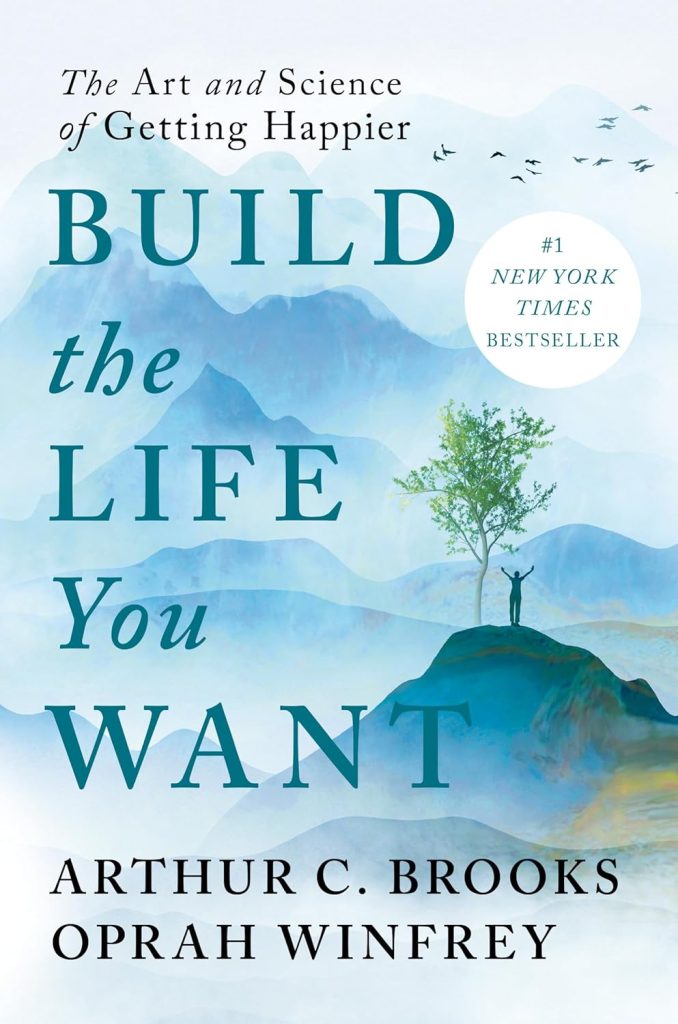
That was the headspace I was in when I picked up Build the Life You Want by Arthur C. Brooks and Oprah Winfrey.
I did not expect it to feel so… human.
This is not a “fix your life in 7 steps” book.
It is more like sitting on a long walk with two people who have lived, failed, reflected, and learned, and now want to share what actually matters.
What This Book Is Really About (Beyond the Title)
At first glance, the title sounds big and ambitious.
Build the life you want. It almost feels like pressure.
But as you read, you realize the book is not asking you to chase more.
It is inviting you to understand happiness more clearly, so you stop running in the wrong direction.
The core idea is simple and powerful.
Happiness is not something you find.
It is something you practice.
Arthur C. Brooks brings in decades of research on happiness, meaning, and well-being.
Oprah brings lived experience, vulnerability, and emotional intelligence.
Together, they create something rare, science that feels warm, and wisdom that feels usable.
The Happiness Equation That Changed How I See My Life
One of the first things that stayed with me is how the book breaks happiness into three components.
Not in a cold, academic way.
But in a way that makes you pause and reflect.
The Three Elements of Happiness
According to the book, lasting happiness comes from:
-
Enjoyment – the small pleasures, joy, laughter, beauty
-
Satisfaction – progress toward meaningful goals
-
Purpose – knowing your life matters beyond yourself
Reading this, I immediately thought about my own weeks.
Training hard.
Working long hours.
Doing meaningful work, yes, but sometimes forgetting enjoyment.
Have you ever felt like that?
Doing all the “right” things, yet feeling oddly flat inside?
This framework helped me see where my imbalance was.
Enjoyment: Why Joy Needs Attention, Not Guilt
This part of the book felt especially gentle.
Enjoyment is not indulgence.
It is not something you earn after suffering enough.
Enjoyment is presence.
Arthur talks about how pleasure fades quickly, but enjoyment deepens when we are fully there. Oprah shares stories of moments that looked small from the outside but felt expansive on the inside.
Reading this reminded me of my slow recovery days.
Yin yoga.
Stretching in silence.
A simple meal eaten without scrolling.
These moments do not move metrics.
But they feed the nervous system.
The book gently asks:
When was the last time you allowed yourself to enjoy something without explaining or justifying it?
Satisfaction: Redefining Success Without Burning Out
Satisfaction, according to the book, comes from progress, not perfection.
This hit close to home.
We live in a culture that celebrates outcomes, medals, titles, followers, promotions.
But satisfaction comes from knowing you are moving forward in alignment with your values.
Arthur C. Brooks emphasizes that striving is not the enemy.
Unconscious striving is.
When goals are chosen because of ego, comparison, or fear, they drain us.
When goals are chosen because they reflect who we are becoming, they energize us.
I found myself rethinking how I define success.
Not “Did I do enough?”
But “Did I move in the right direction today?”
That shift alone can soften a lot of internal pressure.
Purpose: The Quiet Antidote to Emptiness
Purpose is where the book deepens.
Purpose is not your job title.
It is not your productivity.
Purpose is about service, love, and contribution.
Oprah’s reflections here are especially powerful. She talks about how purpose evolves across life stages, and how clinging to old identities can block new forms of meaning.
This made me reflect on transitions.
In training.
In career.
In relationships.
Letting go of who you were supposed to be can feel scary.
But it can also be freeing.
The book reminds us that purpose often shows up when we stop asking, “What do I want?” and start asking, “Who can I help?”
The Role of Suffering (And Why It Is Not a Failure)
One of the most grounding parts of Build the Life You Want is how it treats suffering.
Not as something to eliminate.
But as something to understand.
Arthur C. Brooks explains that negative emotions are not the opposite of happiness.
They are part of a full human life.
Trying to be happy all the time actually backfires.
Oprah shares openly about grief, disappointment, and seasons of doubt. Not to dramatize them, but to normalize them.
This was comforting.
Because sometimes the most honest thing you can say is:
“I am doing my best, and this is still hard.”
The book gives you permission to stop fighting reality and start working with it.
Why This Book Feels Different From Other Happiness Books
I have read many books about happiness.
Some are inspiring but vague.
Some are scientific but dry.
Some feel like motivational speeches frozen into text.
This one feels balanced.
What makes it stand out:
-
Science explained simply, without dumbing it down
-
Stories that feel real, not performative
-
Practical reflections, not rigid rules
-
Compassion over perfection, always
It does not demand that you transform overnight.
It invites you to notice, adjust, and practice.
Who This Book Is For (And Who It Is Not)
This book is for you if:
-
You are successful on paper but restless inside
-
You want happiness without spiritual bypassing
-
You enjoy reflection grounded in research
-
You are open to slowing down your definition of “winning”
It might not be for you if:
-
You want quick hacks or instant fixes
-
You prefer extreme productivity frameworks
-
You are not ready to question your current goals
And that is okay. Timing matters.
How I Am Applying This Book in My Own Life
Since reading it, I have made small changes.
Nothing dramatic.
Nothing Instagram-worthy.
But meaningful.
-
I protect one enjoyment ritual daily, no productivity attached
-
I measure satisfaction by consistency, not output
-
I reconnect purpose to people, not achievements
The result is subtle but real.
More steadiness.
Less self-criticism.
A quieter kind of happiness.
Final Reflection: You Are Not Broken, You Are Becoming
If there is one message I carried with me after closing this book, it is this:
You do not need to become someone else to be happier.
You need to understand yourself more clearly.
Build the Life You Want does not shout at you to change.
It walks beside you and asks better questions.
And sometimes, that is exactly what we need.