

This morning, my body woke me up at 5 a.m.
No alarm.
No rush.
Just that quiet, gentle awareness that it was time.
The sky was still dark. My legs felt rested. My mind felt… clear. I rolled out of bed, sat down for 20 minutes of meditation, and felt myself land fully in the day before it even began.
Later, I cycled 30 kilometers. Nothing heroic. Nothing Instagram-worthy. Just steady, honest work.
And somewhere between the ride, the stillness, and my coffee at a tiny white specialty café near the office, one thought stayed with me all day:
This is discipline.
Not the loud, aggressive kind.
Not the “push harder” version we see online.
But the quiet promises we keep to ourselves, starting the night before.
Discipline Starts Before the Alarm Rings
People often think discipline is about the moment you show up to train.
About finishing the workout.
About grinding through discomfort.
About not quitting halfway.
But real discipline starts much earlier.
It starts when you choose to go to bed on time.
When you turn off one more episode.
When you stop scrolling and let your mind slow down.
Last night, I stretched. I tried a new meditation with a hypnosis element that gently pulled me into deep sleep. I slept so well that I don’t even remember my dreams.
That didn’t happen by accident.
That happened because I chose rest, even when there were still work tasks and loose thoughts floating in my head.
Have you ever noticed how the hardest discipline is often invisible to others?
The Morning Is a Mirror
When I arrived at Saigon Bridge for my ride, I was late compared to many other cyclists. Most had already finished their sessions.
That moment could have felt discouraging.
Instead, it felt clarifying.
If I want to wake up earlier, I need to sleep earlier.
If I want calm mornings, I need disciplined evenings.
Right now, my bedtime is around 10 p.m. I know, deep down, that 9:30 p.m. would serve me better.
Discipline isn’t punishment.
It’s feedback.
Your mornings always reflect your nights.
Discipline Is Doing What You Promised Yourself
This is the part people don’t romanticize enough.
Discipline is not about being perfect.
It’s about being consistent with your own word.
Waking up when you said you would.
Meditating even when your mind resists.
Eating in a way that supports your energy, not just your cravings.
And yes, training even when progress feels slow.
Thirty kilometers of cycling might feel small compared to elite athletes. But it was right for me today. It was aligned. And it was done with presence.
That’s discipline with self-respect.
Why Discipline Creates Freedom, Not Pressure
Here’s the quiet magic I’ve noticed.
On days when my morning is disciplined, the rest of the day feels lighter.
No matter what happens at work.
No matter how many meetings or problems show up.
I feel grounded. I can keep going.
Discipline creates momentum. And momentum creates confidence.
You don’t wake up motivated.
You wake up prepared.
Discipline Flows Into Every Area of Life
What you practice first thing in the morning spills everywhere else.
-
Discipline in sleep becomes clarity in thinking
-
Discipline in food becomes stable energy
-
Discipline in training becomes resilience
-
Discipline in routine becomes focus at work
It’s all connected.
This is why discipline is not just a fitness concept. It’s a life skill.
And once you experience how good it feels, you stop chasing motivation. You build systems instead.
The Books That Quietly Reframed Discipline for Me
Over the years, a few books have reshaped how I see discipline. Not as force, but as alignment.
Atomic Habits by James Clear
This book taught me that discipline isn’t about massive willpower. It’s about small, repeatable choices that compound quietly. Showing up once doesn’t change you. Showing up daily does.

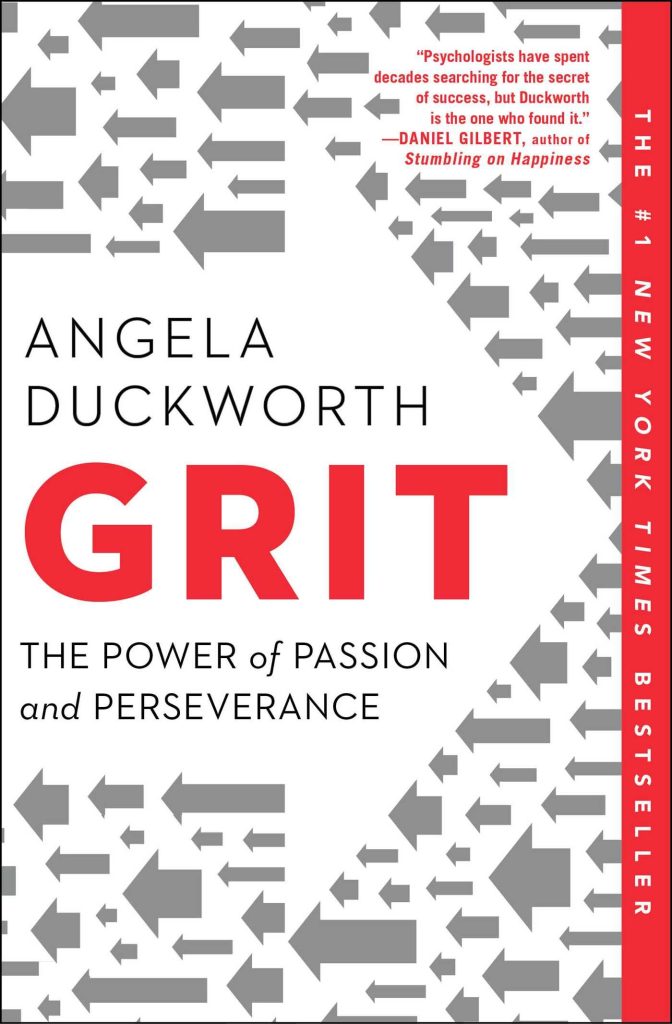
Grit by Angela Duckworth
What stuck with me most is this idea: talent matters less than consistency over time. Discipline is staying with something long enough for it to shape you.
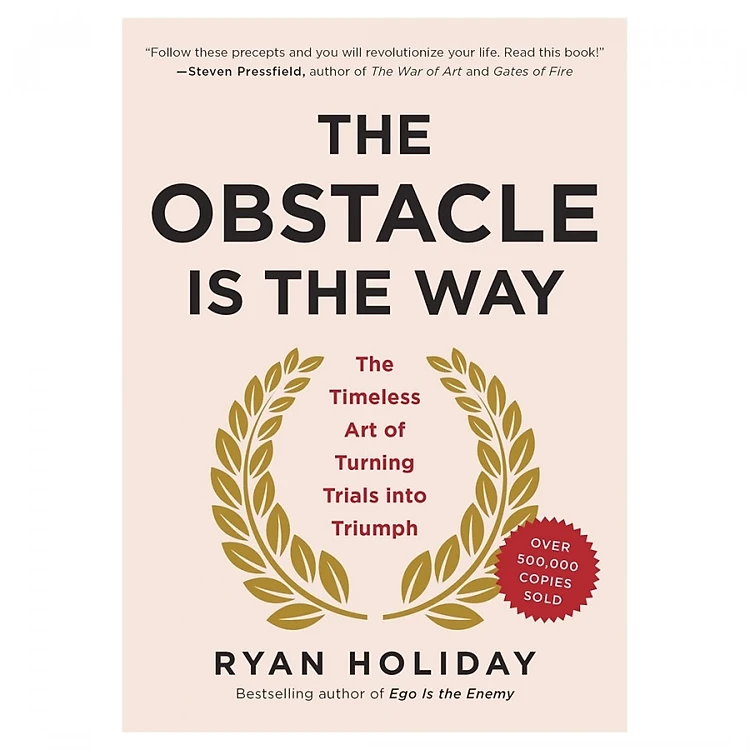
The Obstacle Is the Way by Ryan Holiday
This book reframed discomfort for me. Discipline isn’t avoiding resistance. It’s learning to walk through it calmly, without drama.
Each of these books reminds me that discipline doesn’t need to be harsh to be powerful.
Discipline Without Kindness Doesn’t Last
This part matters.
If discipline feels like self-punishment, it won’t stick.
I’ve tried that version before. It leads to burnout, rebellion, and guilt.
The discipline that lasts is gentle but firm.
You don’t yell at yourself.
You guide yourself.
You say, “This is what we’re doing today,” and you follow through.
Even when progress is slow.
Especially when no one is watching.
A Simple Discipline Check-In
If you’re feeling scattered or tired lately, try asking yourself just one question:
What is one small promise I can keep tonight?
Maybe it’s going to bed 30 minutes earlier.
Maybe it’s preparing your clothes for the morning.
Maybe it’s choosing one nourishing meal.
You don’t need a full life reset.
You need one aligned decision.
The Quiet Confidence of Discipline
As I sat with my coffee this morning, surrounded by clean white walls and soft silence, I felt ready.
Not hyped.
Not rushed.
Just steady.
That’s what discipline gives you.
A calm confidence that carries you through the day.
And once you experience that feeling, you don’t need external motivation anymore.
You become your own anchor.