
Every Wednesday evening, right in the middle of my training week, I head to my physiotherapy session after work.
By that point, my body usually tells the truth. Legs heavy. Hips tight. Shoulders quietly holding stress I didn’t notice during the day. Midweek is always the most honest checkpoint of my training cycle.
For almost a year now, my physiotherapist Dung has been part of my training rhythm. Especially these past few weeks, since I’ve been back to full-time training, the load on my body has been intense. Strong, yes, but also tight. Reactive. Slightly overwhelmed.
Tonight’s session focused on medical acupuncture and electroacupuncture, two tools that have become essential in my rehab and recovery process. Not just for pain relief, but for helping my nervous system settle back into balance.
This is how it feels, and why it works.
Midweek Rehab Is Not a Luxury, It’s a Strategy
When training volume goes up, recovery can’t stay optional.
As endurance athletes, we often plan workouts down to the minute. Intervals. Pace. Heart rate zones. But recovery tends to be reactive. We stretch when something hurts. We rest when we are forced to.
Midweek rehab flips that script.
Wednesday is when fatigue accumulates but hasn’t yet turned into injury. It’s the perfect moment to intervene. That’s where medical acupuncture and electroacupuncture come in.
These sessions help:
- Release deep muscle tension
- Improve blood flow to overloaded tissues
- Calm the nervous system
- Restore movement patterns before compensation sets in
It’s preventative care, not damage control.
What Is Medical Acupuncture in Physiotherapy?
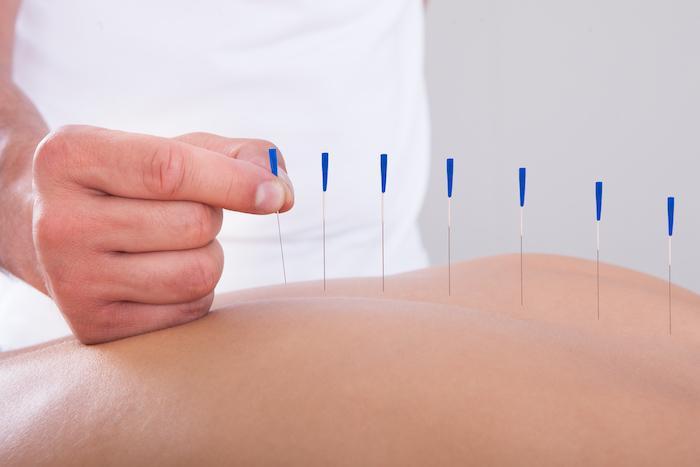
Medical acupuncture, often called dry needling, is rooted in Western anatomy rather than traditional meridians.
Instead of focusing on energy flow, the physiotherapist targets:
- Trigger points
- Tight muscle bands
- Overactive neuromuscular junctions
During my session, Dung always starts with conversation. How did training feel this week? Which movements felt heavy? Where did fatigue linger longer than expected?
Based on that, he palpates specific muscles and identifies areas that are holding tension. When the needle goes in, there’s often a sharp, brief discomfort. Sometimes a twitch. Sometimes a deep ache.
And then something shifts.
Within a minute or two, the muscle softens. Blood flow returns. The body lets go.
Adding Electroacupuncture for Deeper Release
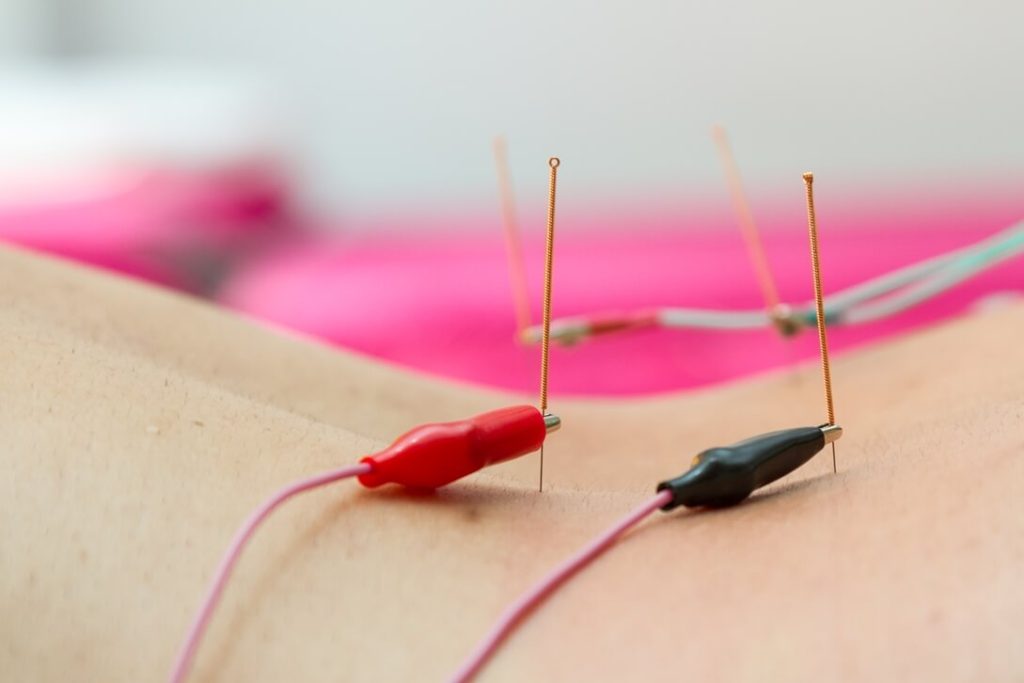
Electroacupuncture takes medical acupuncture one step further. After inserting needles into key muscle points, small electrodes are attached. A gentle electrical current pulses between them. The sensation is rhythmic. Almost hypnotic.
At first, my body always reacts slightly. A tightening. A moment of resistance. Then the nervous system understands it’s safe.
And that’s when the real release happens.
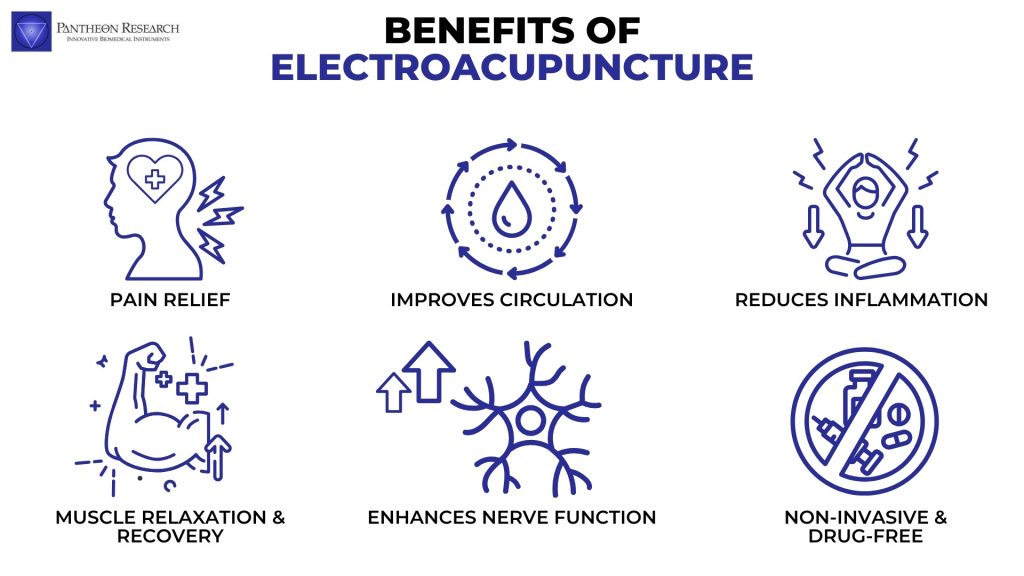
Electroacupuncture helps by:
- Increasing muscle fiber relaxation
- Reducing nerve hypersensitivity
- Enhancing circulation in deep tissues
- Accelerating neuromuscular reset
For overloaded muscles that stretching can’t reach, this is gold.
From Initial Discomfort to Deep Relaxation
There’s a pattern I’ve come to trust.
The needle goes in. There’s discomfort, sometimes sharp, sometimes dull. The body resists. Then, after a few minutes, the resistance fades.
It’s not just physical. It feels emotional too.
My breath deepens. My jaw unclenches. My shoulders drop without me telling them to. That sense of calm spreads outward from the treated area.
This is something I don’t get from massage or foam rolling. Those work on the surface. Acupuncture speaks directly to the nervous system.
By the end of the session, my muscles feel longer. My movement feels smoother. My body feels like it remembers how to rest.
Why This Matters for Heavy Training Weeks
When training volume increases, muscles aren’t the only thing under stress.
The nervous system takes a hit too.
Long runs, hard rides, strength sessions, early mornings. All of it adds up. Without proper regulation, the body stays in a constant state of low-grade alert.
Medical acupuncture and electroacupuncture help shift the body from:
- Fight-or-flight
- Back into rest-and-repair
That shift is where adaptation happens. Without it, fitness gains stall. Injuries sneak in quietly.
For me, this midweek session is what allows me to keep training consistently, not just intensely.
Rehab Is a Conversation, Not a Protocol
One thing I value most about these sessions is the dialogue.
We don’t follow a fixed routine. Each week is different. Some days the focus is hips and calves. Other days it’s lower back or shoulders.
Training evolves. Life stress fluctuates. Sleep quality changes. Rehab needs to respond, not dictate.
That’s why combining physiotherapy with medical and electroacupuncture works so well. It’s precise, adaptable, and responsive to what the body actually needs that week.
Walking Out Lighter Than I Walked In
After tonight’s session, I walked out feeling lighter.
Not euphoric. Just aligned.
My stride felt easier. My breath felt calmer. The quiet background tension I had been carrying all day was gone.
Midweek rehab doesn’t make headlines. It doesn’t show up on Strava. But it’s the reason I can train again tomorrow without hesitation.
Consistency is built here, in these small, intentional moments of care.
A Gentle Reminder for Fellow Athletes
Recovery is not what you do when you’re broken.
It’s what allows you to stay whole.
If your training load is increasing, your recovery strategy needs to evolve with it. Medical acupuncture and electroacupuncture aren’t shortcuts. They’re tools that help your body listen, respond, and adapt.
Sometimes the strongest move is not pushing harder, but pausing long enough to reset.
And sometimes, all it takes is a needle, a pulse, and a quiet room midweek to bring the body back home.