
Monday shows up quietly on my triathlon calendar.
No intervals.
No long runs.
No alarms set with pressure in my chest.
Just space.
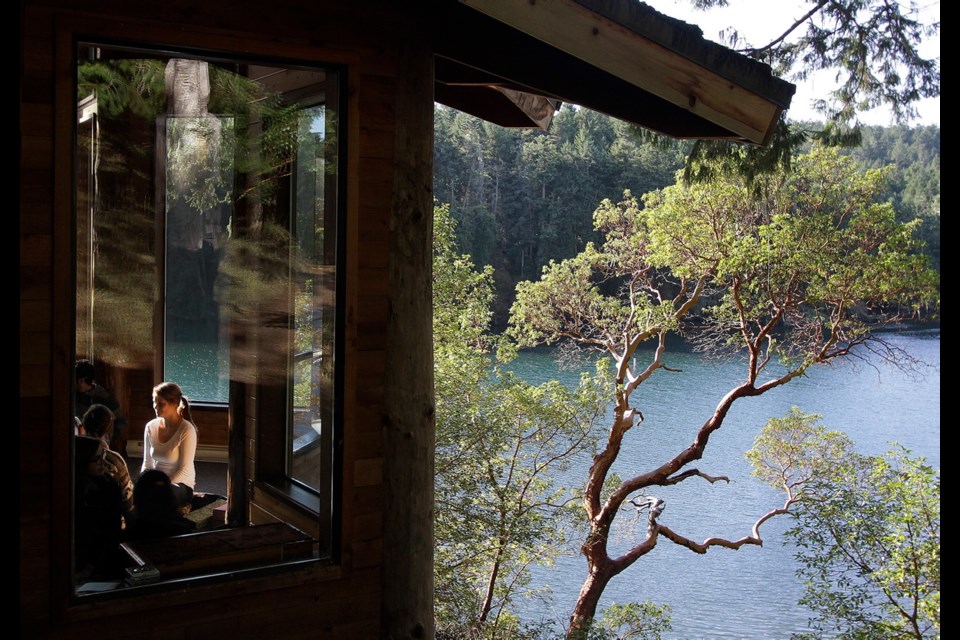
Today is my full recovery day, the one day of the week where I don’t train at all. Instead of chasing numbers or heart rate zones, I slow everything down. This morning, that looked like 45 minutes of yin yoga, dim light, deep stretches, and the kind of silence that lets your nervous system finally exhale.
And honestly?
This might be the most important session of my entire week.
If you’re a triathlete, runner, or someone who trains often, you probably know this feeling too. The constant urge to do more. The quiet guilt when you don’t move. The belief that rest is optional.
It took me years to learn that recovery is not a reward.
It’s the foundation.
Why Monday Is My Recovery Day
My training weeks are full. Swim sessions that demand focus. Runs that test patience. Bike rides that quietly drain you.
By the time Monday arrives, my body is asking for kindness.
Not laziness.
Not avoidance.
Kindness.
Recovery days give my muscles time to repair, my joints space to decompress, and my nervous system a break from constant stimulation. Without them, training stops working. Progress plateaus. Injuries creep in quietly.
Have you ever noticed how fatigue doesn’t always show up as soreness, but as irritability, poor sleep, or lack of motivation?
That’s your body asking for rest in its own language.
What Yin Yoga Gives Me That Training Can’t
This morning’s 45-minute yin yoga session from Travis Eliot (one of my favorite instructors) wasn’t intense. There were no flows or sweat. Just long-held poses, slow breathing, and stillness.
Yin yoga targets the deep connective tissues, fascia, ligaments, and joints. These areas don’t respond well to fast movement. They need time.
Holding poses for three to five minutes teaches patience. It also teaches listening.
In each pose, I notice where my body resists. Hips gripping. Lower back holding on. Shoulders refusing to soften.
And slowly, they let go.
Yin yoga reminds me that flexibility isn’t about forcing range. It’s about creating safety so the body chooses to open.
That lesson applies far beyond the mat.
Recovery Is Where Adaptation Happens
Training breaks the body down.
Recovery builds it back stronger.
This is basic physiology, but it’s easy to forget when motivation is high.
When you rest properly, your muscles rebuild. Glycogen stores refill. Hormones rebalance. Your nervous system shifts from fight-or-flight into rest-and-digest.
Skipping recovery doesn’t make you tougher. It makes you fragile.
I’ve learned this the hard way, through injuries, burnout, and weeks where my body simply refused to cooperate.
Now, I protect my recovery days like I protect my hardest sessions.
My Monday Recovery Ritual
Recovery isn’t just about not training. It’s about intentional care.
Here’s what my Monday usually includes:
-
Yin yoga or gentle stretching for 30–60 minutes
-
Foam rolling, slow and mindful, not aggressive
-
Mobility work for hips, ankles, and spine
-
Warm shower or foot soak to relax muscles
-
Early bedtime, no screens late at night
Nothing fancy. Just consistency.
The goal is not to fix anything. It’s to prepare the body to show up again tomorrow.
Yoga Tools That Actually Help Recovery
Over the years, I’ve learned that the right tools make recovery easier and more enjoyable. These are staples in my routine, and they’re perfect if you’re building your own recovery corner at home.
The Mental Side of Recovery
Recovery days challenge me mentally more than physically.
There’s always a voice that says, “You could squeeze in an easy run.”
Or, “You’re being lazy.”
I don’t argue with that voice anymore. I acknowledge it and return to my breath.
Stillness is uncomfortable because it removes distraction. Yin yoga brings up thoughts, impatience, and sometimes emotion.
That’s part of the work.
Recovery is also about training the mind to trust the process.
Recovery as a Long-Term Strategy
I’m not training just for this week or this race. I’m training for longevity.
I want to be running, swimming, and moving well for decades. That means respecting recovery now.
Yin yoga keeps my joints healthy. Rolling keeps my muscles responsive. Rest keeps my motivation intact.
Recovery isn’t what you do when something goes wrong.
It’s what you do so things keep going right.